
What to Expect During the Fire Restoration Process
People seeking fire restoration typically aim to clean up damage and restore safety, and local service providers can handle the process efficiently and professionally.
Understanding what to expect during the fire restoration process can help property owners feel more prepared and confident as they navigate the aftermath of a fire. This process typically involves several key stages, including assessment, cleanup, repair, and restoration, each handled by experienced local contractors who specialize in fire damage recovery. Property owners in the area often seek out this information to better understand the scope of work involved, the importance of professional assistance, and how timely intervention can help restore safety and comfort to their homes or businesses.
For those facing the challenge of fire damage, knowing what to anticipate during the fire restoration process can make a significant difference in managing expectations and planning next steps. Local service providers are equipped to guide property owners through each phase, ensuring that damage is properly addressed and that the property is restored to its previous condition. Continuing to explore this topic can provide valuable insights into how professional fire restoration services support property recovery, helping owners make informed decisions during a difficult time.
- Structural assessment - when fire damage is suspected to have compromised the building’s integrity, local contractors evaluate the extent of structural harm and recommend necessary repairs.
- Soot and smoke cleanup - after a fire, service providers focus on removing soot and smoke residues to improve air quality and prevent further damage.
- Water and fire damage mitigation - in cases where firefighting efforts involved water, local pros handle drying and moisture control to prevent mold growth.
- Content cleaning and restoration - when personal belongings are affected, professionals carefully clean and restore items to salvage as much as possible.
- Reconstruction and repairs - once damage assessment is complete, local contractors manage the rebuilding process to restore the property to its pre-fire condition.
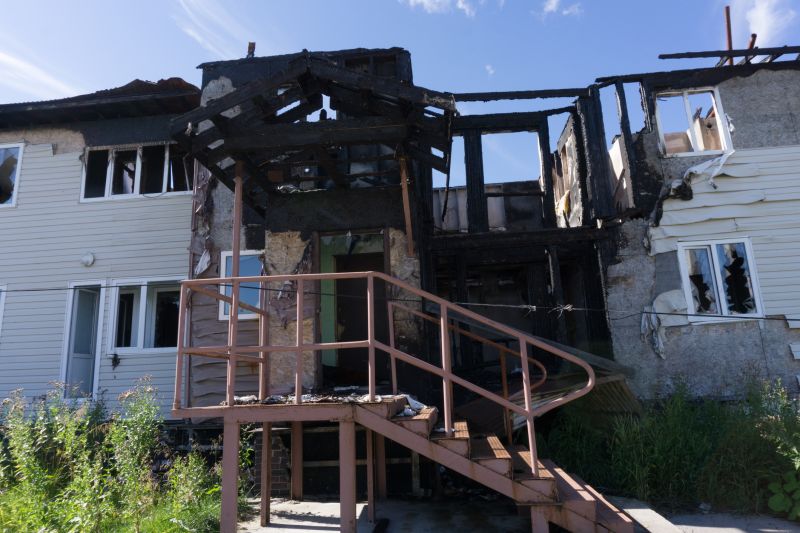
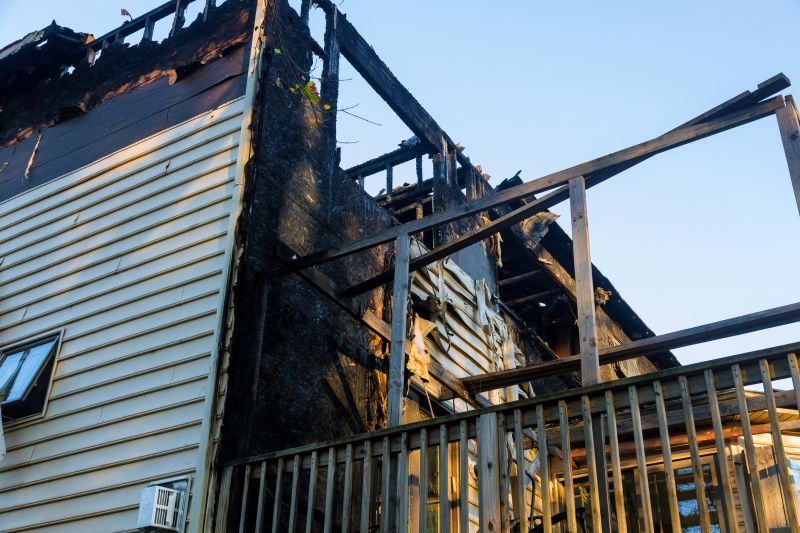
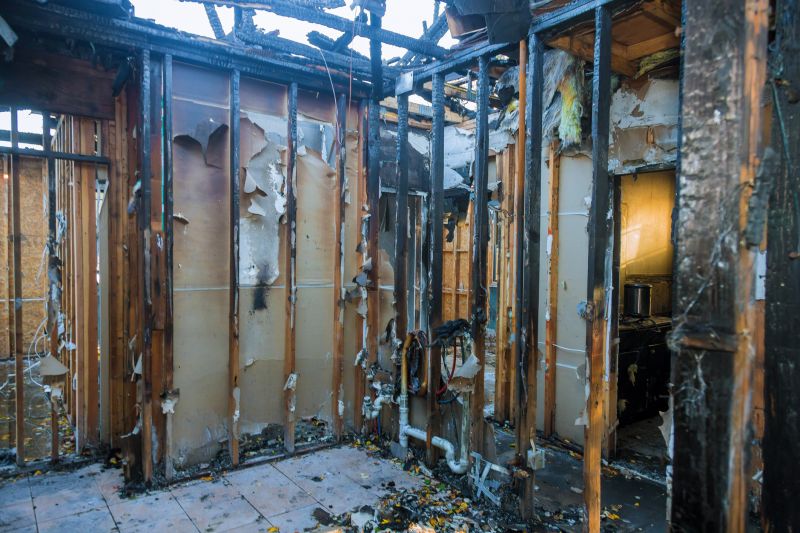
Understanding what to expect during the fire restoration process can help homeowners prepare for the steps involved after a fire incident. When people search for this topic, they often want to know how the cleanup and rebuilding work unfolds, what kinds of damages are addressed, and how long the process might take. Fire restoration involves a series of coordinated efforts to remove smoke and soot, repair structural damage, and restore the property to a safe and livable condition. Local contractors specializing in fire damage repair typically handle these projects, bringing expertise in managing the complexities of fire-affected properties.
The fire restoration process is closely related to addressing specific problems caused by fires, such as lingering smoke odors, soot deposits on surfaces, water damage from firefighting efforts, and structural compromise. Property owners might also be planning for significant repairs or renovations following the initial cleanup. Whether the damage is confined to a single room or spans an entire building, the goal is to stabilize the property, prevent further deterioration, and prepare it for reconstruction. Service providers experienced in fire damage restoration can evaluate the extent of the damage and develop a tailored plan to address these issues efficiently.
Properties that typically come up during discussions of fire restoration include residential homes, apartment complexes, commercial buildings, and sometimes even industrial facilities. Each type of property presents its own challenges, from managing contents like furniture and personal belongings to dealing with specialized systems such as HVAC or electrical wiring. Homeowners should understand that local contractors are equipped to handle a variety of property types, ensuring that the restoration process is adapted to the specific needs of each project. This versatility helps ensure that all affected properties are restored thoroughly and safely.
Throughout the fire restoration process, homeowners can expect a series of phases that include initial assessment, debris removal, cleaning and deodorizing, structural repairs, and final restoration. Service providers work to remove soot and smoke residues, address water damage, and rebuild or repair damaged parts of the property. By working with experienced local contractors, property owners gain access to professionals who understand the typical challenges of fire damage and know how to navigate the restoration steps effectively. This collaborative approach helps ensure that the property is restored properly, with attention to both safety and quality.
Smoke and Soot Cleanup - This service involves removing smoke residues and soot deposits, utilizing similar cleaning techniques and specialized tools as fire restoration projects.
Structural Damage Assessment - Evaluating and planning repairs for compromised building structures requires skills in damage evaluation and safety planning akin to fire damage restoration.
Water Damage Restoration - Addressing water intrusion caused by firefighting efforts shares procedures for drying, cleaning, and mold prevention with fire restoration services.
Contents Cleaning and Restoration - Restoring personal belongings affected by smoke or fire involves cleaning methods and handling techniques comparable to fire damage mitigation.
Mold Remediation - Removing mold resulting from water damage or humidity during fire cleanup involves planning and remediation skills similar to fire restoration processes.
Emergency Board-Up Services - Securing damaged properties with temporary barriers aligns with initial steps in fire restoration to prevent further damage and ensure safety.
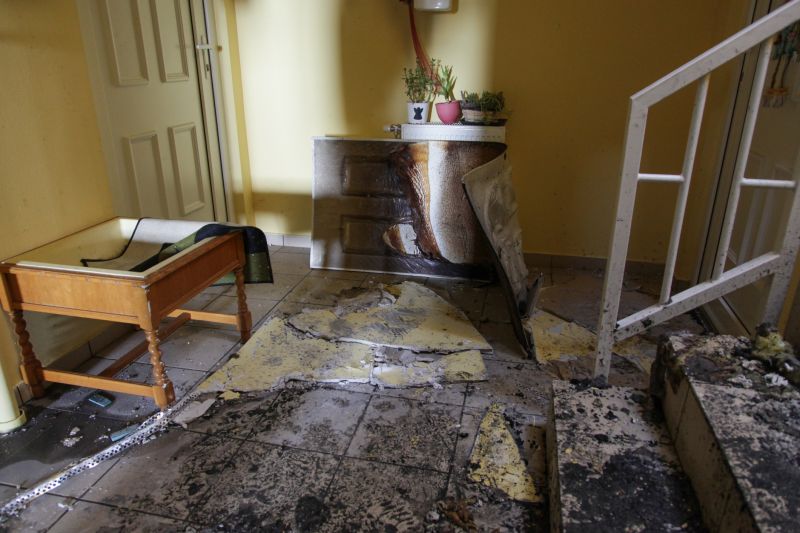
When comparing fire restoration service providers, it is important to consider their experience with similar projects. Homeowners should look for local contractors who have a proven track record of handling fire damage restoration in homes comparable to their own. An experienced service provider will understand the typical challenges involved in fire restoration and be better equipped to manage the process efficiently and effectively. This familiarity can help ensure that the work is completed to a high standard, addressing both visible damage and underlying issues that may not be immediately apparent.
Clear, written expectations are essential when evaluating fire restoration services. Homeowners should seek providers who can offer detailed descriptions of what the process will entail, including the scope of work, the steps involved, and the anticipated outcomes. Having these expectations clearly documented can help prevent misunderstandings and ensure that everyone is aligned on the project’s goals. Service providers who communicate openly and provide comprehensive written estimates or plans demonstrate professionalism and a commitment to transparency, which can make the restoration process smoother and less stressful.
Reputable references and effective communication are key factors in selecting the right fire restoration contractor. Homeowners should ask potential service providers for references from past clients who experienced similar fire damage repairs. Speaking with previous customers can provide insights into the quality of work, reliability, and how well the contractor manages client relationships. Additionally, good communication throughout the project-such as timely updates, responsiveness to questions, and clarity in explaining procedures-can greatly influence the overall experience. Service providers who prioritize clear, consistent communication often foster greater confidence and trust during what can be a complex and emotional process.
Property owners often search for what to expect during the fire restoration process when they are planning practical projects around their homes and businesses. Local pros provide Fire Restoration services for everyday jobs and straightforward project options.
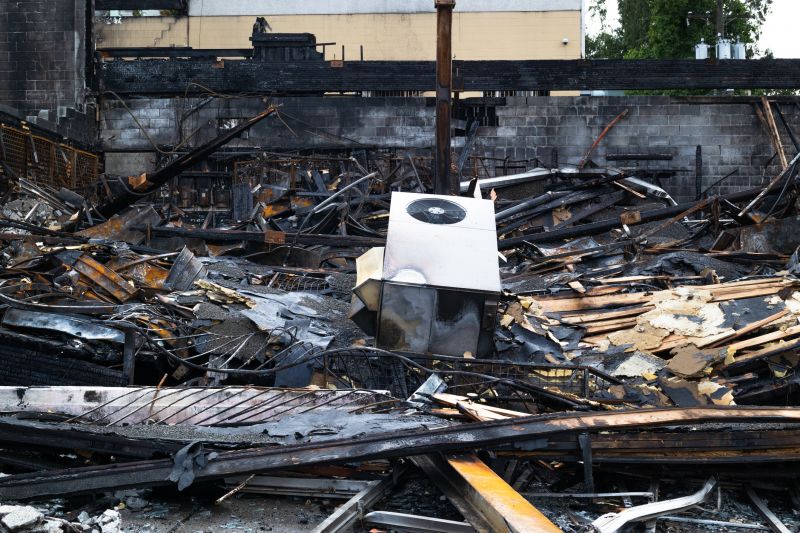
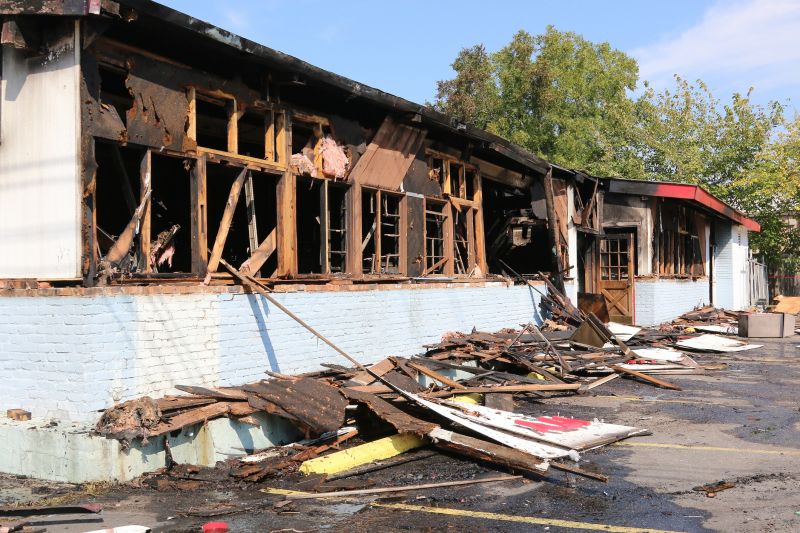
During the fire restoration process, property owners can generally expect a series of coordinated steps to address fire and smoke damage, often involving cleanup, debris removal, and structural assessments. Local contractors typically begin by evaluating the extent of the damage and developing a plan to restore the property. Homeowners may notice that the process involves cleaning soot from surfaces, ventilating the space to remove odors, and sometimes making necessary repairs to damaged structures. Understanding these typical stages can help property owners prepare for what to expect and recognize the importance of professional assistance in returning their property to a safe and livable condition.
In many cases, property owners seek fire restoration services to handle everyday situations like lingering smoke smells or visible damage to walls and ceilings. Local service providers are equipped to manage these common issues efficiently, often performing detailed cleaning and repairs that might be difficult to handle alone. When considering fire restoration, it’s helpful to know that experienced local contractors can guide property owners through the process, ensuring that the work is thorough and that the property is properly restored. This knowledge can make the experience less overwhelming and highlight the value of connecting with professionals who understand the typical challenges involved.
What are the initial steps during fire restoration? Local contractors typically begin with an assessment of fire and smoke damage, followed by securing the property and removing debris to prepare for cleaning and repairs.
How do professionals handle smoke and soot removal? Service providers use specialized cleaning techniques and equipment to eliminate smoke odors and soot from surfaces, ensuring the space is thoroughly cleaned and safe.
What types of repairs are common during fire restoration? Common repairs include replacing damaged drywall, flooring, and insulation, as well as restoring electrical systems and repainting affected areas.
Will the restoration process include deodorization? Yes, local contractors often perform deodorization treatments to remove lingering smoke odors and improve indoor air quality.
What should be expected during the final stages of fire restoration? The final steps typically involve detailed cleaning, inspection to ensure all damage is addressed, and preparing the property for occupancy or use again.
Assessment and Inspection - Local contractors will evaluate fire damage to determine the extent of restoration needed, helping property owners understand the scope of work required.
Debris Removal and Cleaning - Pros can handle the safe removal of debris and soot, ensuring the space is cleaned thoroughly to prepare for repairs and reconstruction.
Structural Repairs - Skilled service providers will restore damaged walls, floors, and ceilings, helping property owners see how their space can be safely rebuilt.
Odor Removal and Restoration - Experts use specialized techniques to eliminate lingering smoke odors, making the environment healthier and more comfortable during the recovery process.
If you are thinking about what to expect during the fire restoration process for a property, this guide is meant to help you understand this topic, the typical project types, and how different options might fit your plans.
When you are ready, you can use the quote form on this page to share a few details about your project. From there, local pros can review the basics and follow up with options that match what you have in mind.